The essays gathered here—some forthcoming, others in progress—form part of The Moral Aesthetics of the Contemporary City, an ongoing series exploring how urban design, behaviour, and climate express competing visions of care and control.
New urban-lyrical essay
The Virtue of Waiting
A reflection on waiting as a civic ritual—its pleasures, its politics, and its quiet injustices.
“Waiting becomes a form of faith: faith that the ice cream will come, that the bus will arrive, that other people will keep their place in line.”
New reported essay
The Iron Law of the Sweep: Why Cities Choose Erasure Over Shelter
A Montréal–Portland reflection on how cities handle visible distress.
“Sweeps solve a political problem: they make homelessness disappear from view in the blink of an eye.”
The Palimpsest of Forgotten Promises
In submission
“Cities keep people by forgetting them slowly.”
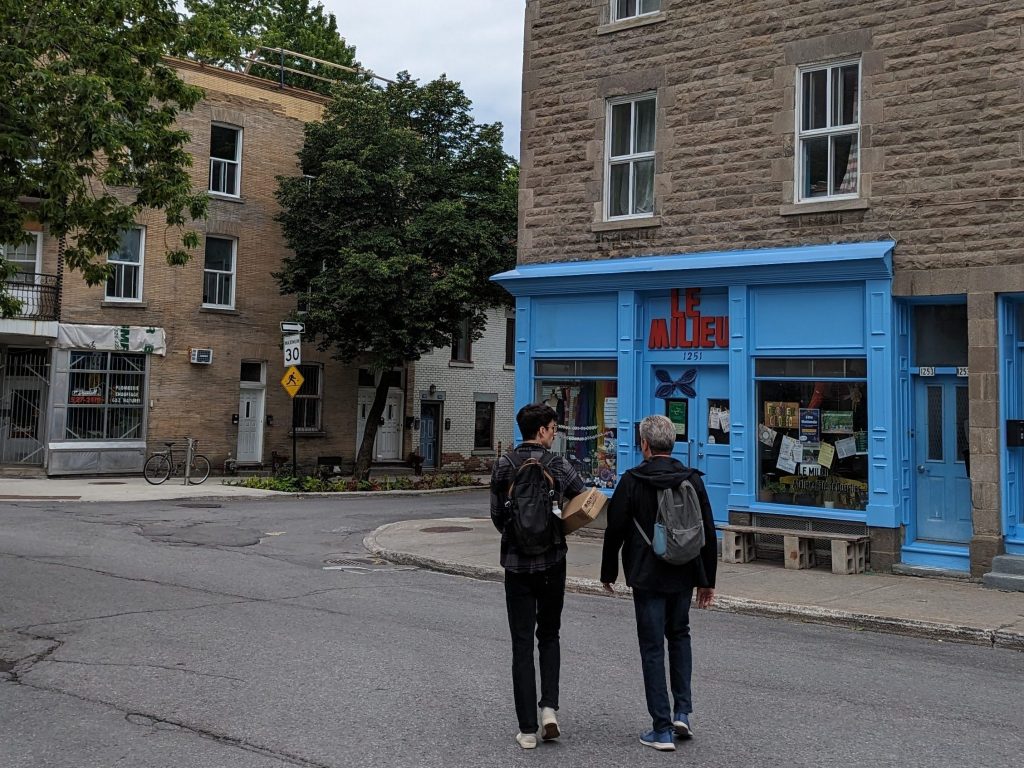
Cities keep people by forgetting them slowly. Their walls store the residue of gestures—paint, posters, repairs—and return them to those who notice. That reciprocity is what I mean when I say the city remembers you back. It’s endurance through time, through decay and revitalization. My father’s archive is a blog called Sur ma route — each post a small act of witnessing: a tag drying on concrete, the shadow of a plane tree, the silence after a festival ends. His camera treated walls the way some people treat faces, with tenderness and care.
Light Work in the Long Dark: On Winter, Attention, and the Choreography of Care
In submission
“In winter, every gesture of care becomes a form of light.”
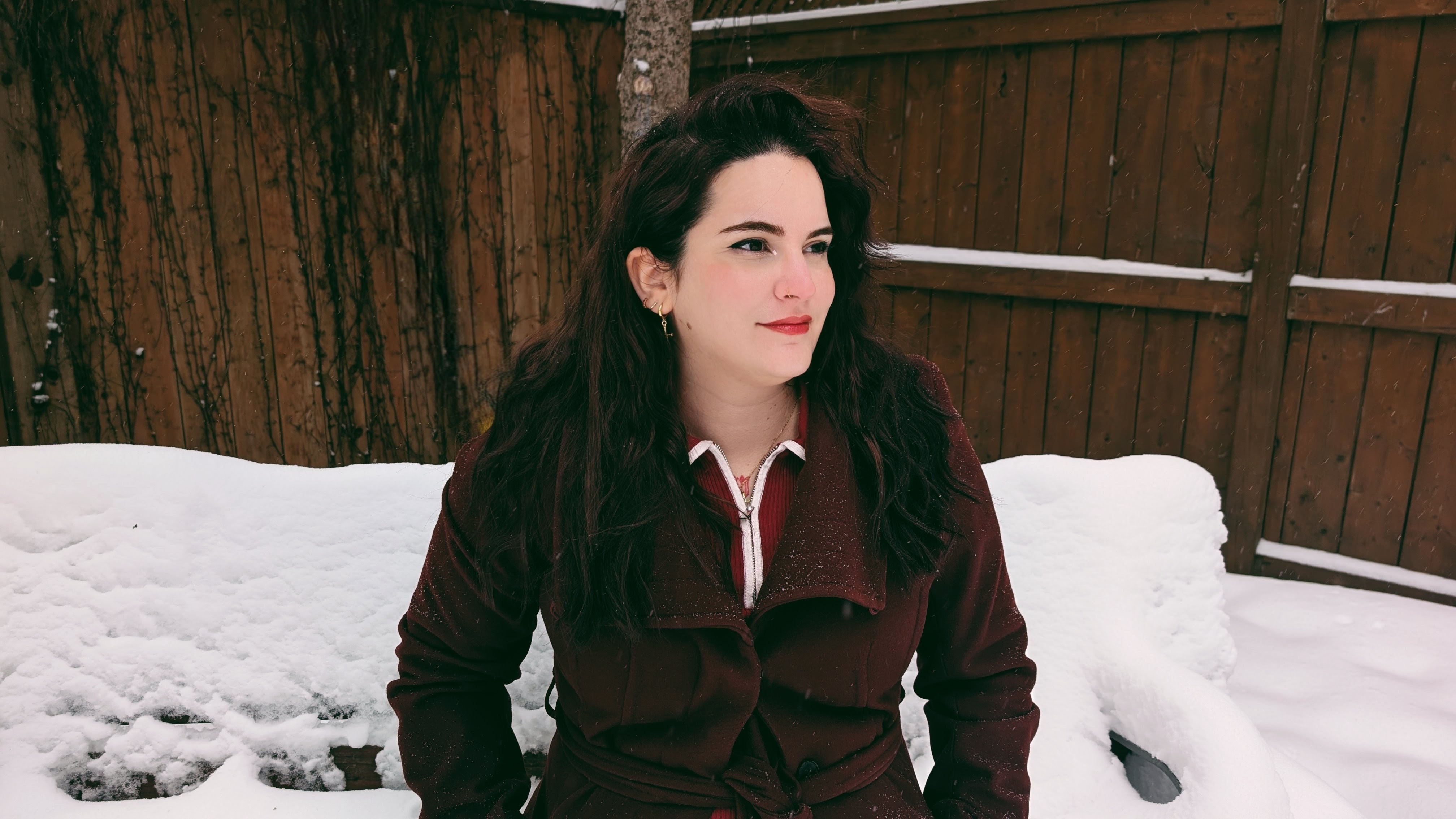
Snow settles on the parked cars of our street, and someone—always someone—brushes it from a neighbour’s windshield. I used to think of winter as absence, but here it becomes an apprenticeship in tenderness. We shovel, salt, light candles, paint doors red again. We learn to maintain warmth as others maintain belief. The long dark is not an enemy but a rehearsal for gentleness, a way to stay human when the world grows silent.
In the Afterlife of Language: On Grief, Translation, and the Walls Between Tongues
In submission
“Maybe this is what it means to live in the afterlife of a language—the words fade, but their rhythm survives.”
My father taught me to look at the world through words. “Regarde les murs,” he used to say. Look at the walls. When I visit now, years after his death, I still hear it: the half-smile in his voice, the quiet authority of a man translating attention into a way of seeing. The walls change constantly—paint layered over paint, a tag erased, another blooming back. I stop to take a photo, translating his gaze into mine. I thought I had kept his language. But grief migrates too.
Noise, Order, and the Vanishing Night
In submission
On Montréal’s noise bylaws and the moral acoustics of urban life—how the regulation of sound reveals what a city believes about joy, order, and disturbance.
The Architecture of Trust
In submission
A meditation on public pianos, shared objects, and the quiet ethics of leaving beauty unguarded.
The Right to Rest
In submission
A reflection on stillness as civic resistance in cities that moralize motion and productivity.
The Language of Fences
In progress
On the architecture of caution—how fences, gates, and barriers perform care through exclusion.
Signs of Good Intentions
In progress
A study of civic renaming and moral repair, and how cities use symbolic virtue to rewrite their own pasts.
Cartographies of the Familiar
In progress
An essay on the imaginary maps we build from memory, scent, and affection—how attention itself becomes a moral compass.
The Gesture of Watering
In progress
A meditation on maintenance and devotion, tracing the small civic rituals that sustain life in public space.
The First Warm Day
In progress
On Montréal’s first days of spring as a shared moral season—how collective joy renews the city after endurance.